Finding the perfect spot for your dishwasher is key to a smooth installation. Think about convenience and accessibility first. You want it close to your sink and cabinets to make loading and unloading a breeze. If it’s too far away, you might end up lugging dishes across the kitchen.
Next, check the plumbing and electrical setups. Your dishwasher needs a water supply and a drain. Make sure there’s a hot water supply nearby, and if you’re not comfortable dealing with electrical work, get a pro involved. Safety first, right? This can be one of the most crucial Dishwasher Installation Tips For DIY Enthusiasts.
Also, consider the layout of your kitchen. Look for a spot that won’t block pathways. You don’t want to trip over it while you’re rushing to grab snacks! And if you have kids or pets, think about how they’ll interact with it. Keeping it out of busy walkways can help avoid accidents.
Finally, measure your space! Make sure the dishwasher will fit just right in its new home. You don’t want to get it in, only to discover it won’t fit under the counter. Taking those measurements before you buy is a smart move. This little step can save you a lot of hassle down the line.
Gathering All the Tools You Need
Getting ready to install your new dishwasher? First things first, gather all the tools you’ll need. A little prep work goes a long way, and it helps the whole process run smoother. Here’s a handy list of what you should have on hand:
Don’t forget about safety gear! If you have one, a pair of work gloves will keep your hands protected. Safety goggles are a good idea too, especially if you're working around sharp edges or debris.
With all your tools ready, you’ll feel much more confident tackling these dishwasher installation tips for DIY enthusiasts. No one likes scrambling around the house halfway through a project, right? Set yourself up for success right from the start!
Step by Step Installation Guide
Installing a dishwasher might sound a bit intimidating, but with the right steps, you can totally handle it! Here are some straightforward Dishwasher Installation Tips For DIY Enthusiasts to help you through the process.
1. Gather Your Tools
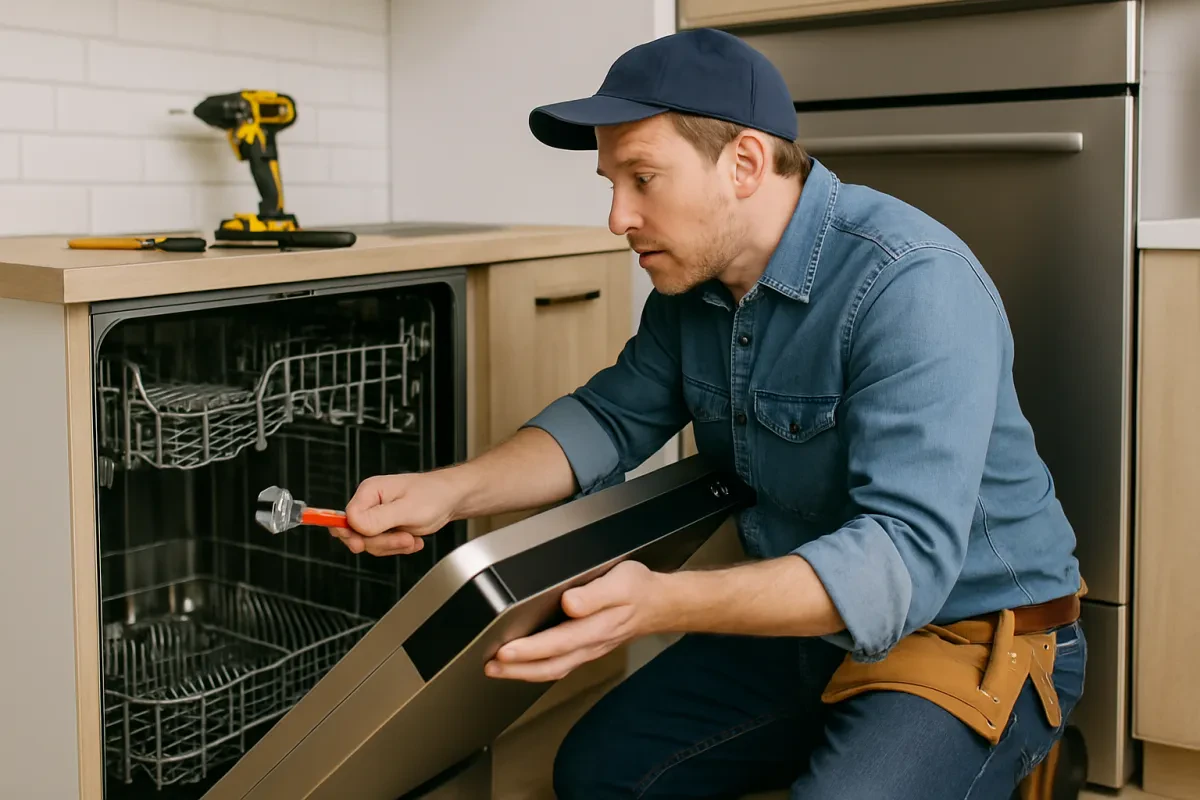
Before you start, make sure you have everything you need. A basic toolkit will do. You’ll want a wrench, screwdriver, and maybe a level. Don’t forget to check if your dishwasher kit includes a hose, cord, and any other necessary parts.
2. Prepare the Space
Make sure the area where the dishwasher will go is clean and ready. You'll need to disconnect your old appliance, if there is one, and get rid of any leftover debris. Turn off the water supply and unplug the power to stay safe.
3. Hook Up the Water Supply
Connect the water line to your new dishwasher. Most dishwashers have a spot for the inlet hose. Just make sure it’s on tight to avoid leaks. Attach the drain hose to your sink or garbage disposal too.
4. Secure Everything in Place
Slide the dishwasher into the opening and make sure it’s level. This step is super important to ensure proper functioning. Use the level to check, and adjust the legs if needed. Once it’s snug, secure it with screws to the cabinetry or countertop.
5. Plug It In and Test
Now the fun part! Plug it in, turn the water back on, and run a test cycle. Check for leaks and make sure everything is working smoothly. If all goes well, you’ve successfully installed your dishwasher!
Testing and Troubleshooting Your Dishwasher
It’s not uncommon to run into a few hiccups when you’re diving into your dishwasher installation. If things aren’t working quite right, don’t worry. Here are some simple testing and troubleshooting tips that’ll help you get back on track. These tips are perfect for anyone following those Dishwasher Installation Tips For DIY Enthusiasts.
First up, check your power supply. Make sure the dishwasher is plugged in, and the circuit breaker hasn't tripped. Sounds simple, but it’s often the root of the problem. If the power is good, hear any weird noises? That's a sign to take a closer look. It could be something as simple as dishes blocking the spray arm.
Next, look at the water supply. Test the water inlet valve. Make sure it’s fully opened and the hose isn't kinked or clogged. If it’s not getting enough water, your dishwasher won’t clean well, and that can be super frustrating.
Lastly, if your dishwasher is leaking, don’t panic! Check door seals and gaskets for any damage. A worn seal can lead to leaks and puddles on your kitchen floor. If everything looks fine, but you still see water, it’s time to inspect the connections and hoses. These troubleshooting steps can save you time and hassle as you tackle your appliance installation challenges.