Picture this: the early 1800s, and the whole idea of washing dishes by hand was just a part of daily life. But hey, innovation is in our blood, and someone decided there had to be a better way. That’s when the seeds for what we now know as dishwashers were sown. The first patent for a dishwasher popped up in 1850. It was an invention by a woman named Josephine Cochrane, who was tired of her china breaking while being washed by hand. She created a hand-powered machine that used water pressure to clean the dishes. Talk about a game changer!
Fast forward to the early 20th century, and the idea of dishwashers started to gain traction. During this time, electrical appliances were becoming more common in households. Like many great inventions, dishwashers were still viewed with skepticism at first. People wondered if they could really clean dishes better than a human. But you know what? They did! Once people gave them a shot, it was hard to go back to doing it all by hand.
As we dive deeper into The History Of Dishwashers And Their Evolution, you'll see the designs changed significantly over the years. They became sleeker, faster, and a lot more efficient. By the 1970s, dishwashers started to pop up in more American homes. People loved the convenience! No more scrubbing pots and pans for hours on end. Just load them up and let the machine do the work. It was a huge hit!
Today, dishwashers come with all kinds of features like multiple wash cycles, energy efficiency settings, and even smart technology. They’ve come a long way since that first hand-powered model, and they’ve become essential in many kitchens worldwide. The evolution of dishwashers has definitely made life easier, giving us more time to do the things we love instead of staring at a sink full of dirty dishes.
Early Machines and Their Features
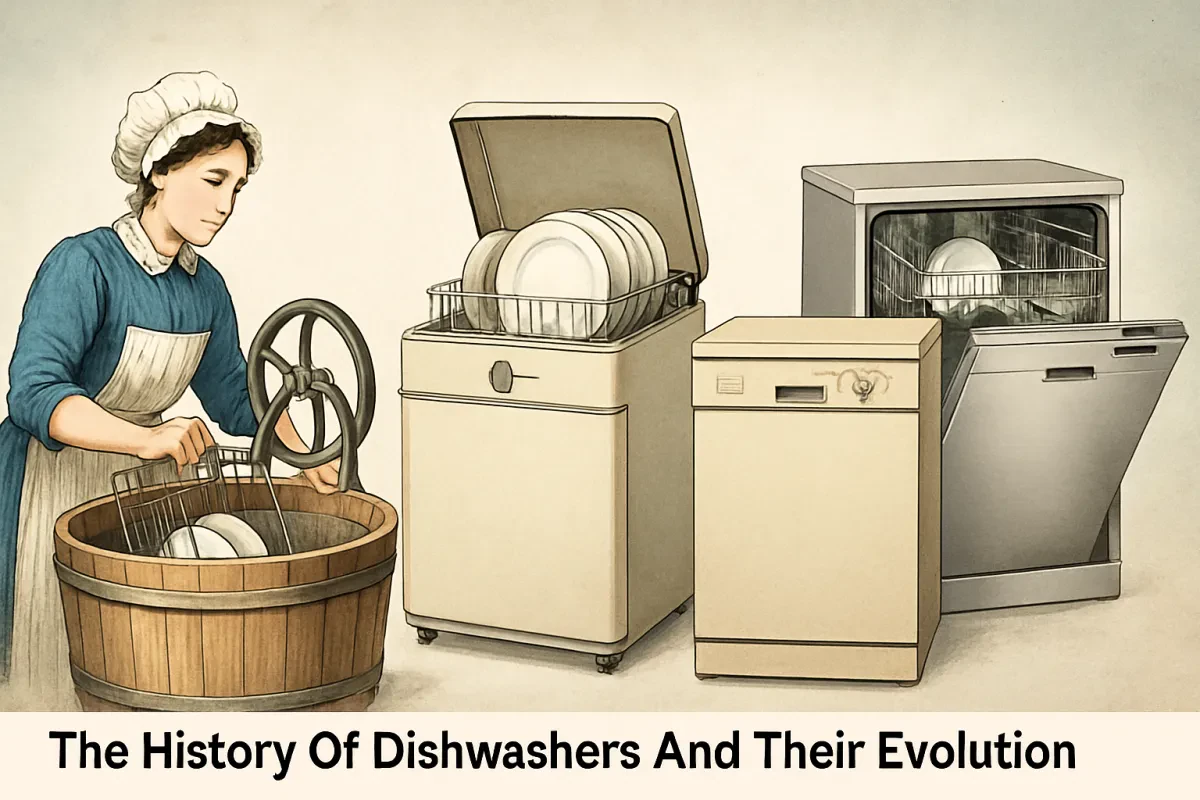
When you dive into The History Of Dishwashers And Their Evolution, you can’t ignore the early machines that started it all. The first known dishwasher came along in the late 1800s. It was invented by Josephine Cochrane, who was tired of her fine china getting chipped by hand washing. Her machine used a hand-cranked mechanism to blast water at dishes, proving that even back then, people wanted a way to make cleanup easier.
These early dishwashers were pretty basic and quite different from what we have today. They were bulky and often made of wood with a few metal parts. Rather than the sleek designs we see now, these machines took up a lot of kitchen real estate. Still, they made life a lot easier for those who could afford them. It wasn’t just about convenience; it was also about protecting valuable dishes and saving time.
Early models didn’t have the fancy settings or sensors we enjoy now. Most had a single wash and rinse cycle. But they were a step in the right direction. Once people started to see how helpful they could be, more inventors jumped into the mix. In the following decades, electric models started to emerge. They were much faster and way more effective than their hand-cranked predecessors.
By the 1950s, dishwashers were becoming a common sight in kitchens, thanks to improvements in technology and design. With options for drying cycles and adjustable racks, they began to appeal to the average household. This set the stage for the modern dishwashers we know today, highlighting a continuous journey of innovation mentioned in The History Of Dishwashers And Their Evolution.
Dishwashers in Modern Homes
Dishwashers are a staple in modern kitchens, making our lives so much easier. Gone are the days of scrubbing pots and pans by hand after a big meal. Today’s dishwashers tackle tough messes with just the push of a button. This evolution of technology plays a big role in The History Of Dishwashers And Their Evolution.
Modern dishwashers are designed with user-friendliness in mind. Many come with adjustable racks and smart sensors that know exactly how much water and energy to use. This means less hassle for you and a smaller footprint on the environment. Plus, options like quick wash cycles get your dishes done in no time, allowing you to enjoy more moments with family and friends.
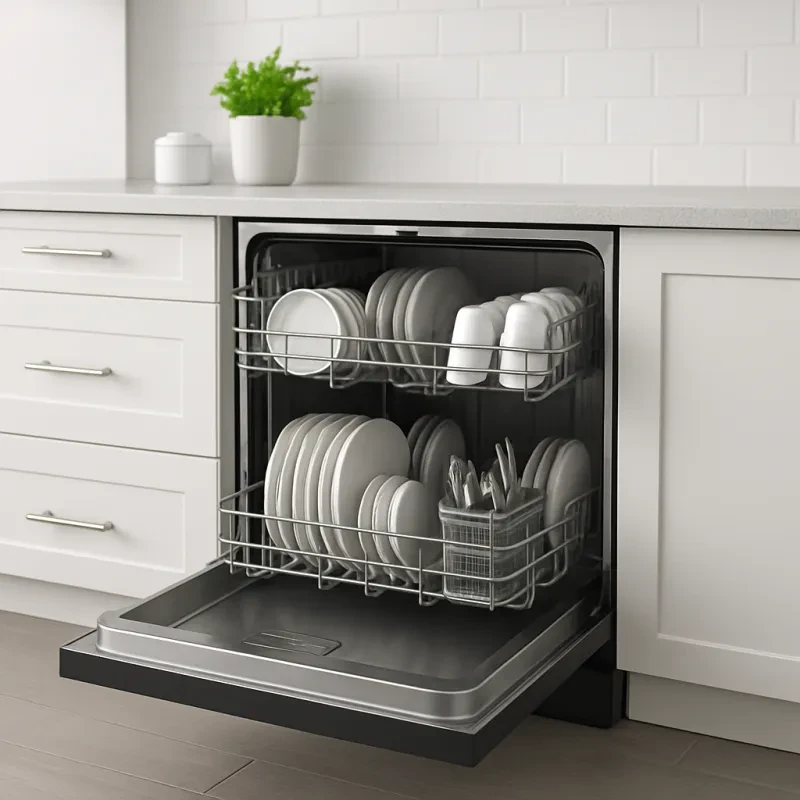
Let’s not forget about style. Today’s dishwashers fit right into your kitchen design. With sleek finishes and hidden controls, they can blend seamlessly with your cabinetry. Whether you prefer a classic look or a modern vibe, you can find a model that suits your taste, all part of The History Of Dishwashers And Their Evolution.
Noise levels have also improved. Many of the latest models operate almost silently, which is a game changer for open-concept living spaces. You can run a load while watching TV or having a conversation without the annoying hum of a powerful motor. It's just another way dishwashers have adapted to the needs of today's households.
Looking Ahead to the Future
As we dive into The History Of Dishwashers And Their Evolution, it's exciting to think about what’s next for these kitchen heroes. Technology keeps marching forward, and dishwashers are no exception. Imagine smarter models that can wash your dishes based on how dirty they are, adjusting settings automatically to save water and energy.
We already see some cool features popping up, like Wi-Fi connectivity. This means you can start your dishwasher from your phone while you're out and about. No more waiting for a load to finish before you head to bed! Plus, with smart notifications, you can get alerts when your dishes are clean or if there's a problem.
Looking ahead, sustainability will likely take center stage. Dishwashers that use less water while maintaining performance will be in high demand. Eco-friendly materials and energy-efficient models will win hearts and help the planet at the same time.
As we reflect on The History Of Dishwashers And Their Evolution, it’s clear that innovation is just getting started. We’re in for an amazing ride as dishwashers continue to evolve, making our lives easier and our kitchens more efficient.